

At Pesce MediaWorks, we specialize in designing and developing beautiful, functional websites that not only look great but deliver real results. Whether you’re looking to create an e-commerce platform, a portfolio site, or a corporate website, our team combines creativity with technical expertise to build custom solutions tailored to your business needs.
Why Website Design & Development Matters
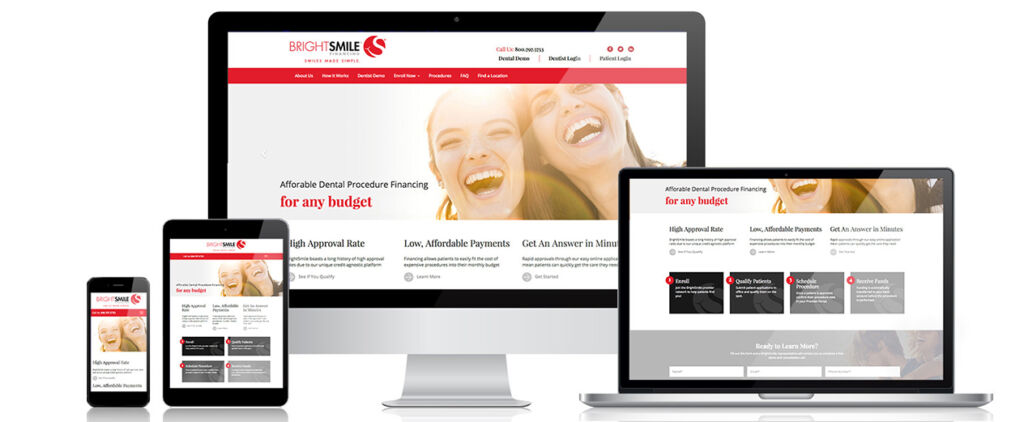
Your website is often the first interaction potential customers have with your brand. A well-designed and user-friendly website helps establish credibility, enhances the user experience, and drives conversions. At Pesce MediaWorks, we focus on delivering websites that perform flawlessly across all devices and browsers, ensuring your visitors have an engaging experience, no matter where they’re accessing your site.
Our Website Design Process
Here’s how we approach every web design and development project:
Testing & Launch: Before your website goes live, we perform rigorous testing to ensure it functions flawlessly across all devices and browsers. Once testing is complete, we seamlessly launch your site, ensuring a smooth transition.
Discovery & Strategy: We begin by understanding your business, goals, and target audience. This helps us create a strategic plan for your website that aligns with your brand’s vision and objectives.
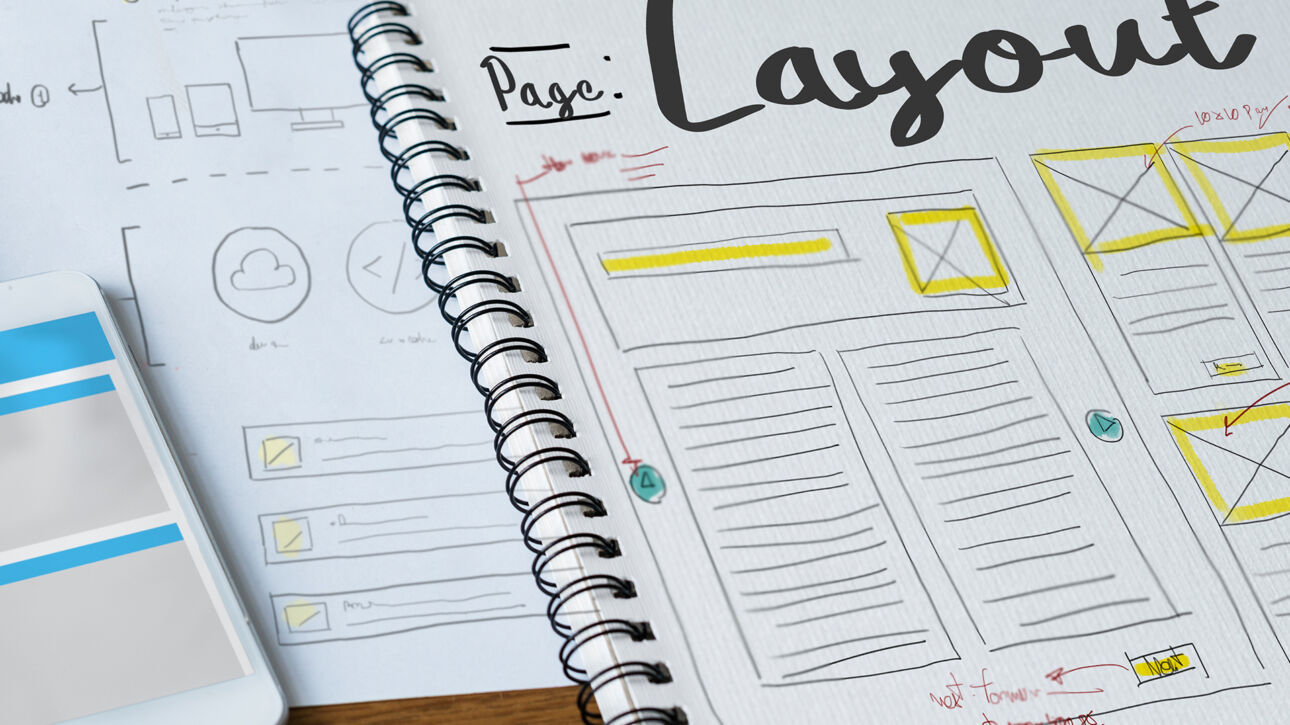
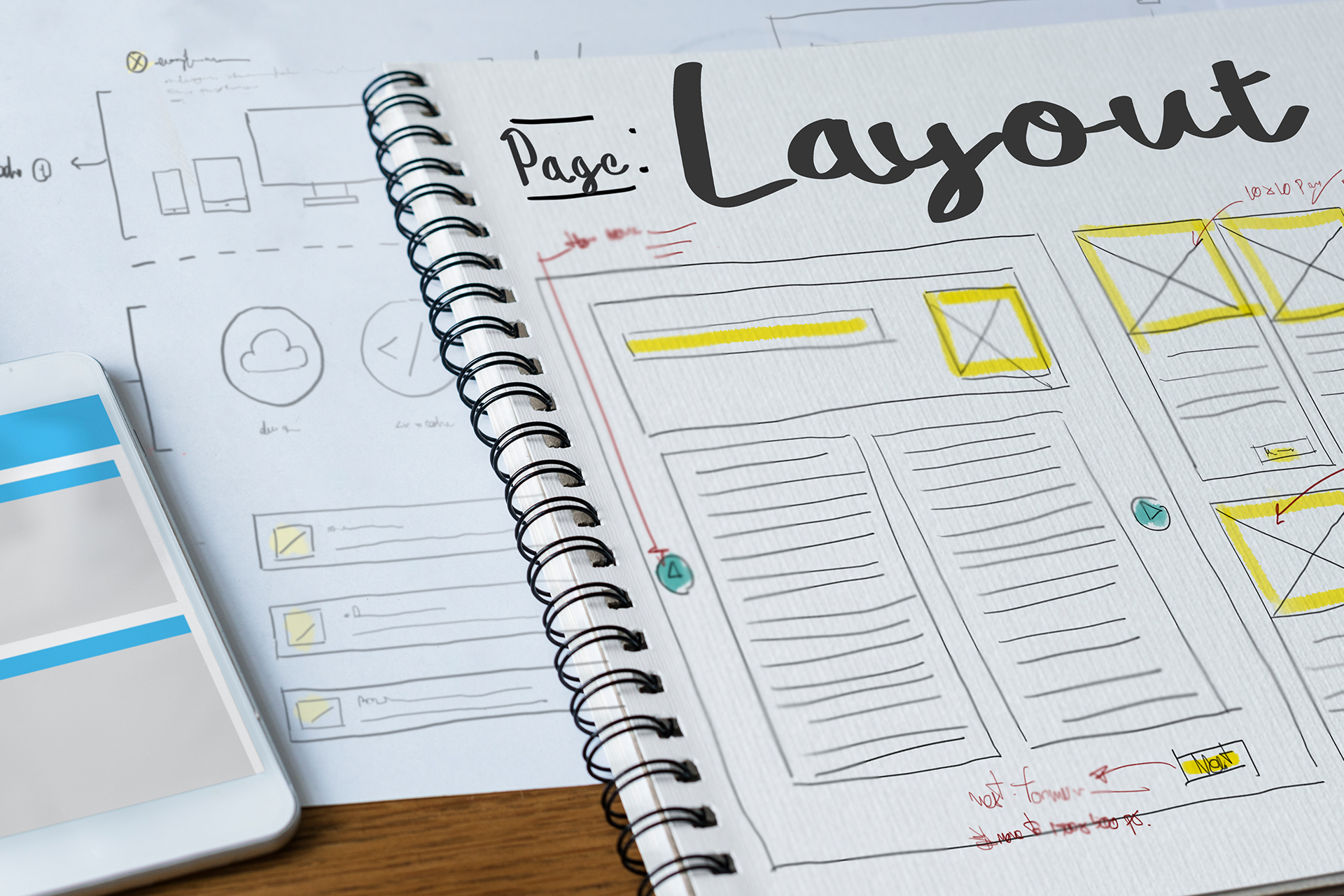
Custom Design: Our team designs visually stunning websites that reflect your brand identity. From wireframes to final layouts, we ensure every element is carefully crafted to provide a seamless user experience. We incorporate responsive design principles to make sure your site looks and works perfectly on desktops, tablets, and mobile devices.
Development & Functionality: Once the design is approved, we bring it to life with clean, optimized code. Whether you need a content management system (CMS) like WordPress or a fully custom-built platform, our developers create fast, secure, and scalable websites tailored to your needs.
SEO Optimization: Our websites are built with search engines in mind. We implement SEO best practices from the start, ensuring your website is optimized for performance, speed, and search visibility. From meta tags to mobile responsiveness, we make sure your site is SEO-friendly.
Website Design & Development Questions for Growing Businesses
What should a business website include to generate leads?
A lead-generating website should clearly explain what the business offers, who it serves, why it is credible, and what action visitors should take next.
A strong business website needs more than attractive design. It should guide visitors from first impression to action with clear messaging, easy navigation, mobile-friendly layouts, visible calls to action, trust signals, service details, and simple contact options. For local businesses, it should also make location and service area information easy to understand.
Lead generation also depends on how well the website supports the full marketing strategy. If a site is slow, confusing, thin on content, or missing strong calls to action, traffic from SEO, Google Ads, social media, or email may not convert as well as it should. Good website design should make the next step obvious, whether that is calling, submitting a form, requesting a quote, scheduling a consultation, or learning more about a service.
How does website design affect SEO?
Website design affects SEO by influencing page structure, mobile usability, site speed, content organization, internal linking, user experience, and how easily search engines can understand the site.
Search engines need to crawl and interpret a website clearly. A well-designed website should use logical headings, organized service pages, helpful content, optimized metadata, clean navigation, responsive layouts, and fast-loading pages. These elements help search engines understand what each page is about and help visitors find the information they need.
Design also affects engagement. If users land on a page and quickly leave because the layout is confusing, the text is hard to read, or the site does not work well on mobile, the website may struggle to support long-term search performance. SEO-friendly website design brings technical structure, content clarity, and user experience together from the beginning instead of treating search optimization as an afterthought.
When should a business redesign its website?
A business should consider a website redesign when the current site looks outdated, is difficult to use, does not reflect the brand, performs poorly on mobile, or is not generating enough leads.
A redesign may be needed when a website no longer matches the business’s services, audience, goals, or level of professionalism. Common signs include slow load times, confusing navigation, weak calls to action, outdated visuals, poor mobile performance, old content, broken features, or service pages that do not explain enough to help customers make a decision.
A redesign does not always mean starting over completely. Some businesses need a full rebuild, while others may need better page structure, stronger copy, improved forms, refreshed visuals, or SEO-focused updates. The right approach depends on what is holding the site back. A good redesign should improve how the website looks, how it works, and how effectively it supports visibility, trust, and conversions.
What is the difference between a custom website and a template website?
A custom website is designed around the business’s brand, goals, content, and user journey, while a template website uses a prebuilt layout that may offer less flexibility and differentiation.
Template websites can be useful for simple needs or very limited budgets, but they may not fully support a business with specific branding, SEO, content, conversion, or functionality goals. A template can also make it harder for a business to stand out if many other websites use a similar structure or visual style.
A custom website gives more control over layout, messaging, navigation, calls to action, service page structure, and future growth. For businesses that rely on their website to attract leads, support paid ads, rank in search, or build credibility, custom design can create a more strategic foundation. The best choice depends on budget, goals, timeline, and how important the website is to the sales process.
Why should website design and marketing strategy be planned together?
Website design and marketing strategy should be planned together because the website is usually where SEO, ads, social media, email, and branding all need to convert attention into action.
A website is not just a digital brochure. It is often the center of a company’s marketing. If the website is designed without considering search visibility, lead generation, messaging, tracking, landing pages, and customer intent, other marketing efforts may be less effective. A beautiful site can still underperform if it does not answer the right questions or guide users toward the next step.
Planning design and marketing together helps ensure the site is built with the right pages, content flow, calls to action, analytics, and conversion paths. This is especially important for businesses investing in SEO or Google Ads because those channels depend on strong landing pages. When the website, content, branding, and campaigns work together, the business has a better chance of turning traffic into qualified leads.
Let’s Build Your Digital Presence Together
Ready to create a website that drives results? Whether you need a new website or a redesign, our team at Pesce MediaWorks is here to help. Contact us today to get started on building a website that elevates your brand and delivers an exceptional user experience.